Cycling in Yorkshire

Cycling in Yorkshire
Last updated 14th September 2022

The Settle to Clapham cycle route is Stage 6 of the Sustrans Slow Tour of Yorkshire. It starts in Settle and goes via Austwick to Clapham.
I thoroughly enjoyed this ride, which is on genuinely quiet roads. There is some hill-age, but nothing too steep or sustained - just enough to give you some fast, freewheeling sections down the other side.
Overall, this cycle route is highly recommended.
Distance: 8.5 miles
each way, so 17 miles there and back
Time: 1h30 there and back
The Google map above shows the route from Settle to Clapham in yellow.
This is the ride on Plotaroute; you can download a navigation file from there.
This is the Sustrans leaflet for the ride.
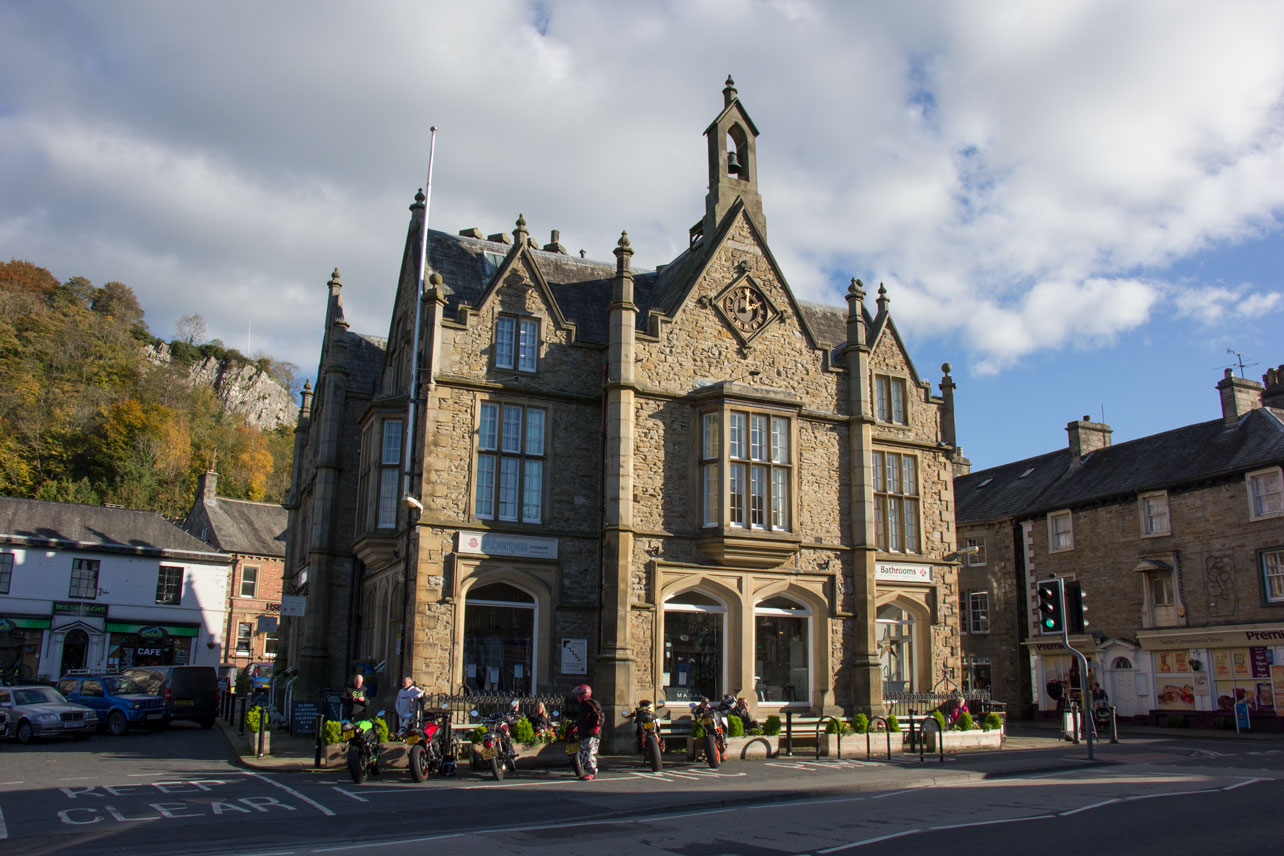
Start from Market Place, Settle.
As well as the imposing Town Hall (above) there's an intriguing building called The Shambles, with an arcade and shops on the lower floor. The residences on the upper level feature a large shared balcony and dormer windows. (Do you think one day I might make it as an estate agent?)

If you arrive by car, Whitefriars car park (paying parking) is close to the centre of Settle, by the Coop Garage.
Ride north out of Settle on the B6480, under the arch of the railway bridge then over the river Ribble.
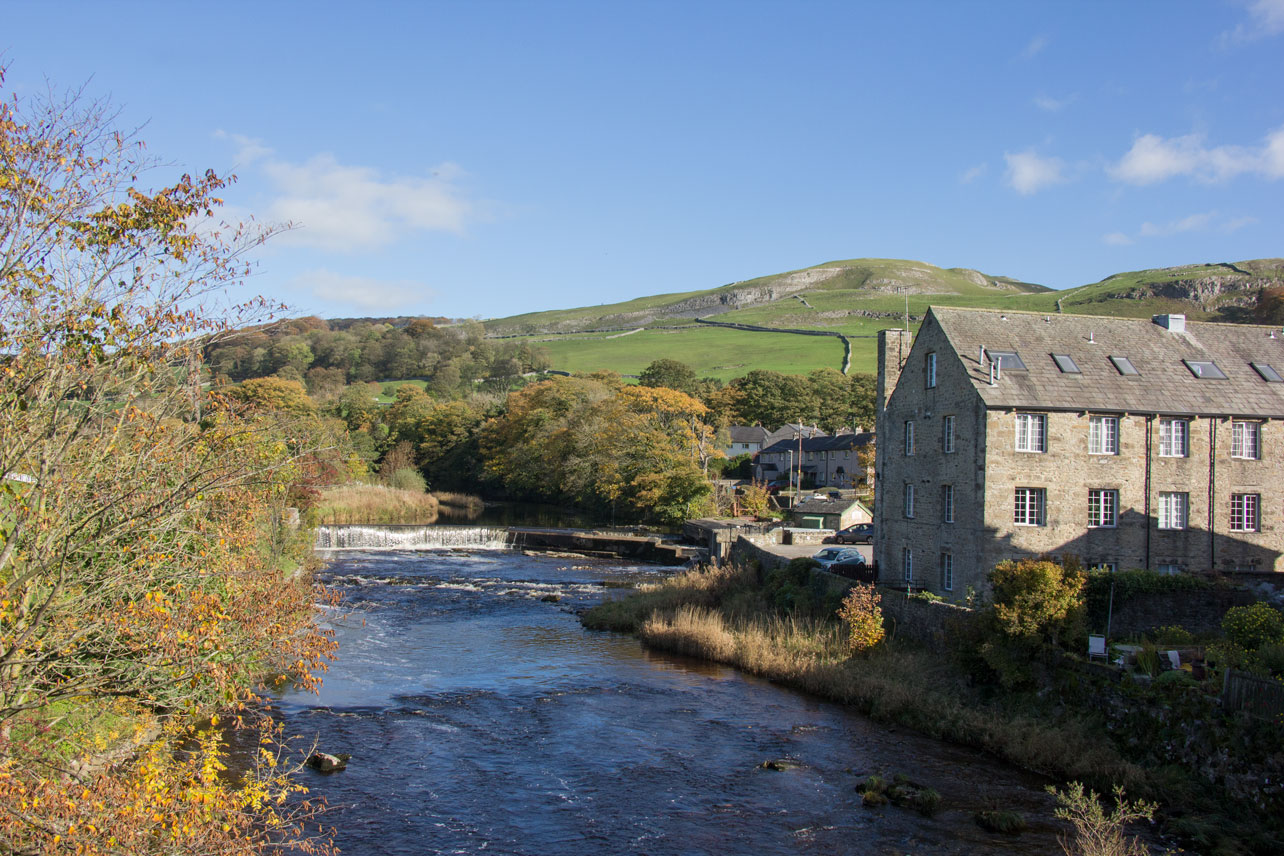
Take the first right after the bridge over the river. A blue cycling sign for Austwick directs you that way, and the road is called Stackhouse Lane.
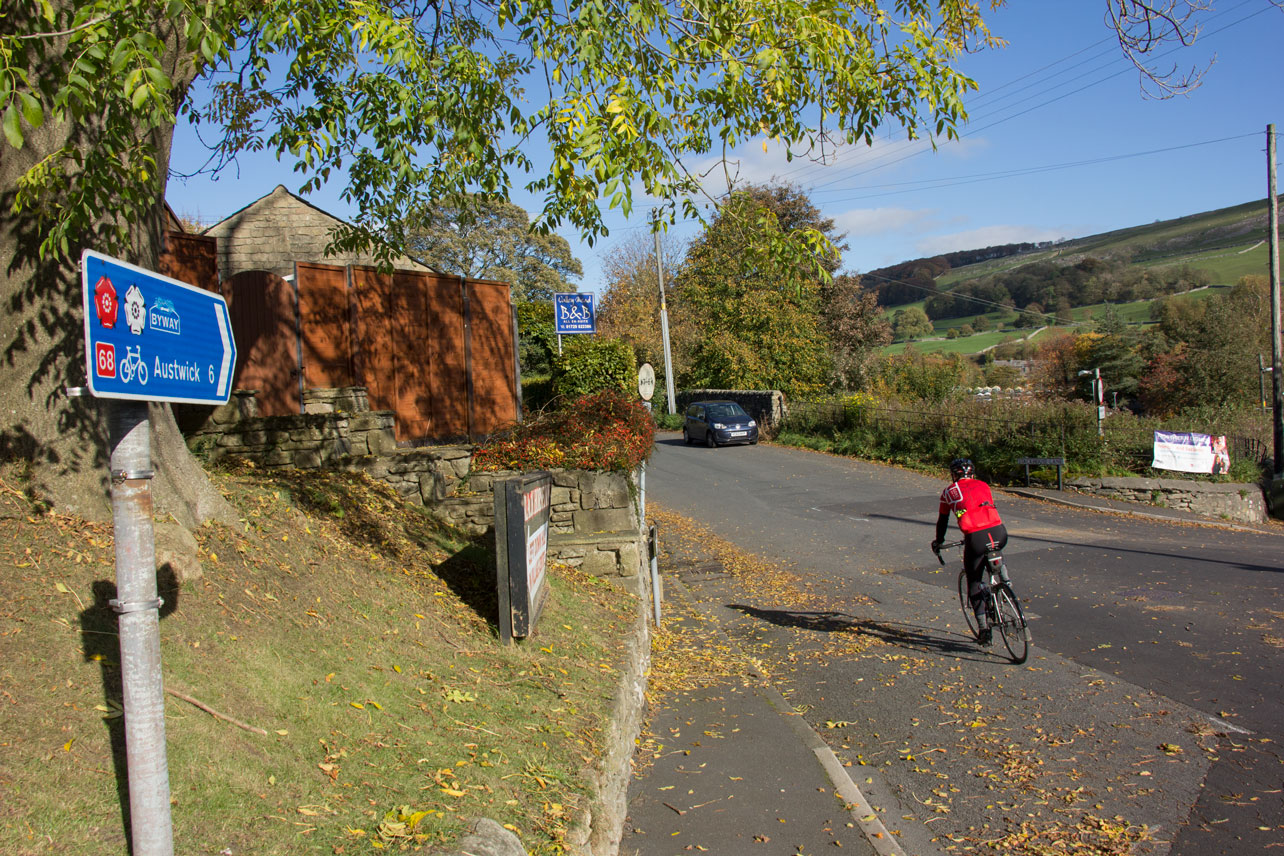
This quiet road takes you past two small settlements, Stackhouse and Little Stainforth. The start height is around 160m, and just past Little Stainforth, you reach 229m.
There's a good view north to Ribblesdale and Pen-y-ghent.

Continue to the junction by Dry Rigg Quarry, where you turn left towards Austwick.

It's another 4km or so of pleasant cycling to Austwick.

In Austwick, there's a pub (the Game Cock) and a Post Office & Village Store.

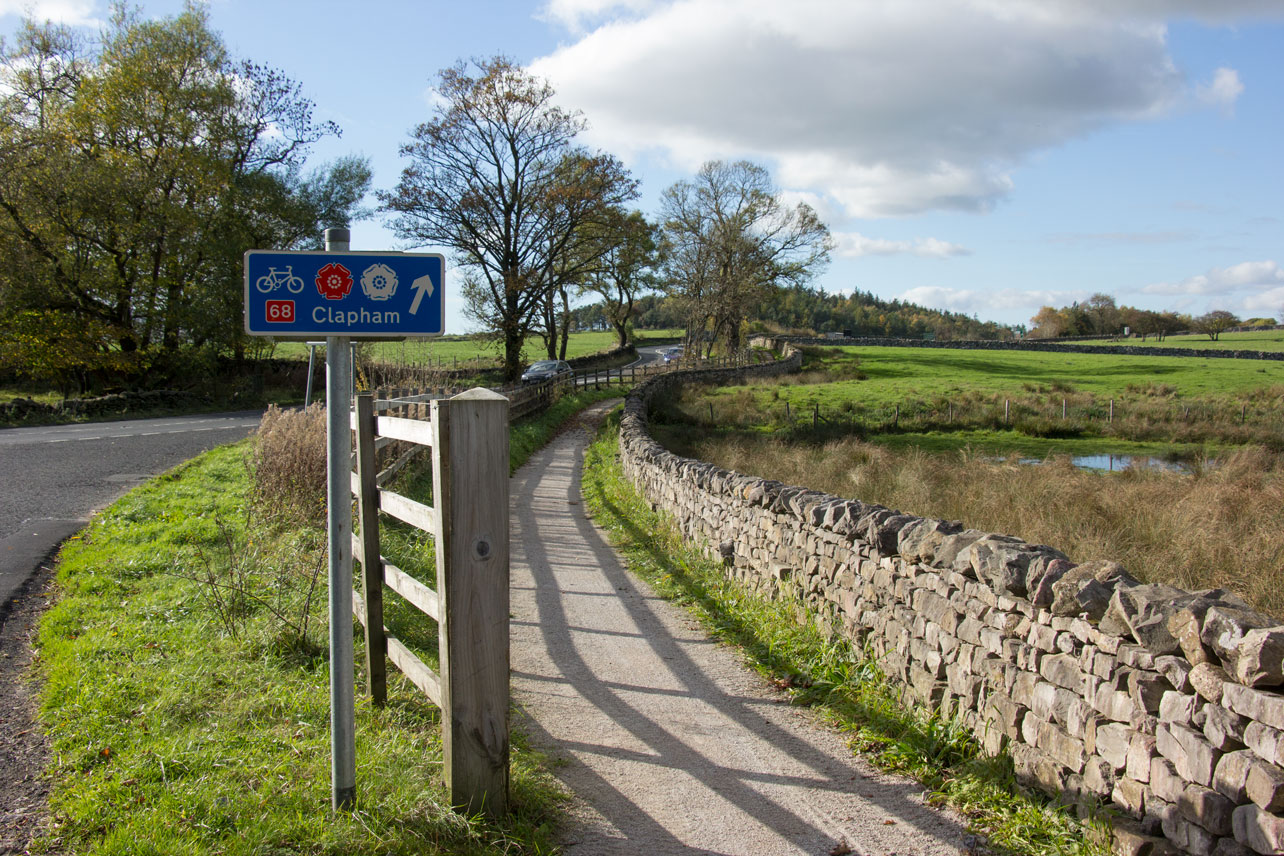
Leaving Austwick, you soon reach the very busy A65. Fortunately, there's a cycle and footpath; unfortunately, the surface isn't as good as it could be. It's crushed limestone (I think), but it's lumpy.
Unsealed surfaces deteriorate much more quickly than tarmac. It seems to be the 'house style' of British cycle infrastructure that it must have defects.
Many of the people using this path will be on road bikes. It's not awful the way it is, but rather than bodging it with an inferior surface that might lead to punctures, why not just do it properly? It's only about 300m. Come on.
Fork right off the A65 onto the B6480, and it's a couple of kilometres to Clapham.

Clapham has a Village Store, a pub called the New Inn, and cafés including the Croft Café, the Lake House, and the Old Sawmill Café.
There are WCs at the main car park.

Return by the way you came.
When you get to Little Stainforth, you might consider a short diversion to see Stainforth Force.

The water is a peculiar brown colour, as though someone upstream had rinsed out a thousand Marmite pots. In October, salmon heading up river to spawn leap the force.
To make a loop, return via Clapham Station, Eldroth and Giggleswick. See the ride with an alternative return route here.
I enjoyed this ride. The one improvement I would suggest is to provide a sealed surface on the path by the A65.
It would be easy to extend your ride, going on to Ingleton and up to Chapel-le-Dale or up Kingsdale.
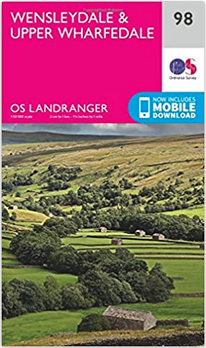
The Settle to Clapham ride is covered by the 1:50,000 OS Landranger map number 98, Wensleydale and Upper Wharfedale.

New in 2023, Bike Rides in the Yorkshire Dales is available in colour paperback.
Find out more about Bike Rides in the Yorkshire Dales or buy a copy.
Bike Rides In and Around York features a historical city tour, plus family rides, road rides, and mountain bike rides.
Find out more about Bike Rides In and Around York or buy a copy.
Bike Rides in Harrogate and Nidderdale is a book of family, mountain and road bike rides.
Find out more about Bike Rides in Harrogate and Nidderdale or buy a copy.

Settle is a market town in the Craven district of North Yorkshire. The population of Settle is 2,714 (2021 census).
It is thought to have been founded by the Angles in the 600s, as Settle is the Anglian word for settlement. Settle's Royal Charter for a market was granted to Henry de Percy, Baron of Topcliffe, in 1249.
Settle was quite isolated for many years, but industry did develop in the 1700s and 1800s, mostly textile mills.
The river Ribble provided power for Settle's cotton mills, and now it is used for Settle Hydro, a micro hydroelectric scheme.
There are caves in the area around Settle where prehistoric remains have been found, including Victoria Cave (north east of Settle, and east of Langcliffe), discovered in 1837, the year of Queen Victoria's Coronation. It contained animal bones including those of mammoths, hippos, rhinos, elephants, and spotted hyenas. There were also items from the Roman period, including coins, brooches, and pottery.

The railway reached Giggleswick in 1847, and in 1875 the Settle to Carlisle railway was built.

Settle is a tourist town today, popular as a centre for walking and cycling. A number of hotels, pubs, and cafés serve visitors to the town.

The Folly was built in 1679 by wealthy lawyer Richard Preston. It houses the Museum of North Craven Life.

It is a grand house.

The Gallery on the Green is an art gallery in a phone box.
Settle Stories runs the Yorkshire Festival of Story. It began in 2010, and has become increasingly popular.
The 3 Peaks Bike Shop is located in Market Place Settle.


Clapham sits at the foot of Ingleborough, one of Yorkshire's 3 Peaks. The church was founded before 1160 (Wikipedia).
Much of the land around Clapham belongs to the Farrer family's Ingleborough estate.
Clapham Beck runs through the village. Higher up, it is known as Fell Beck, a stream which flows into Gaping Gill, a cave on the southern slopes of Ingleborough, and re-emerges at Ingleborough Cave.
Clapham Beck is dammed just above Clapham, to form an artificial lake ('The Lake').
The Cave Rescue Organisation is based in Clapham.