10 Key Points About Otley Road Cycleway Phase 1
23rd December 2021
Cycling in Yorkshire

23rd December 2021
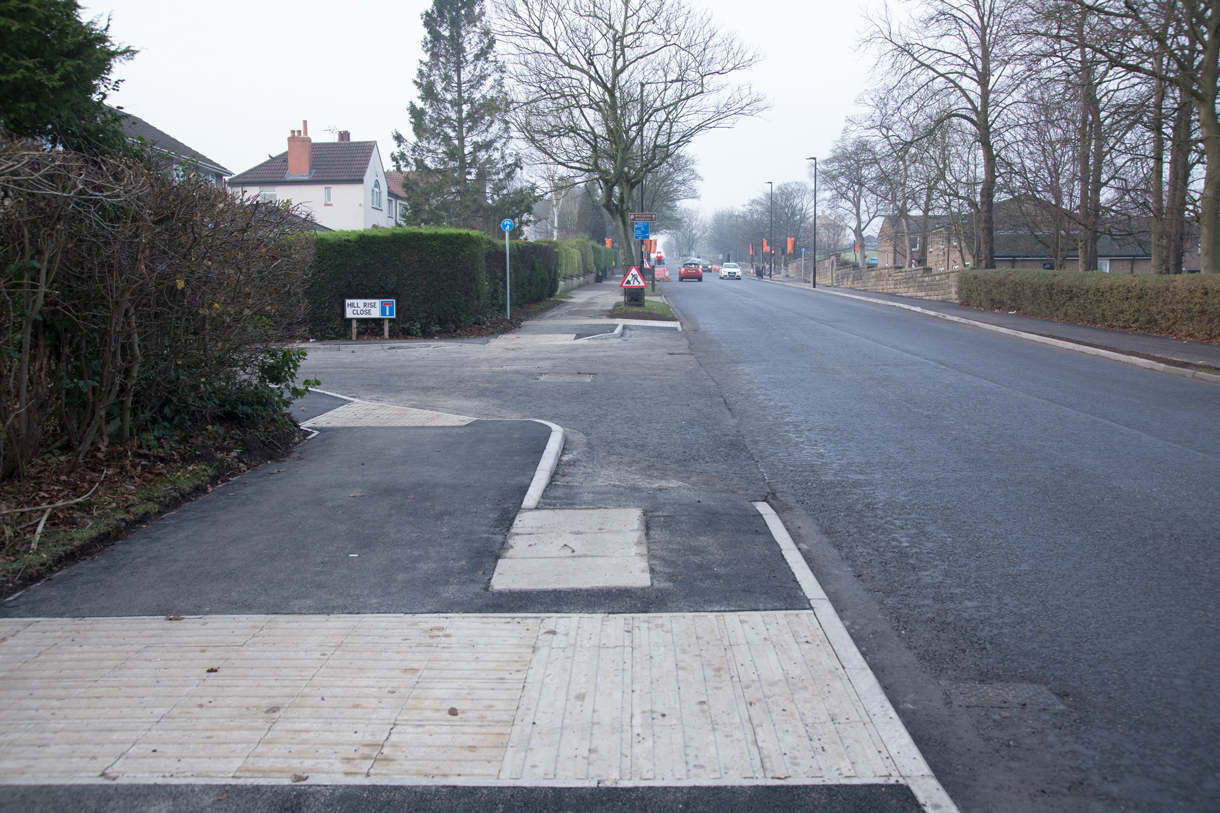
Construction of Otley Road Cycleway Phase 1 finished (for the time being) on Tuesday 21st December 2021. In theory, it runs from Arthurs Avenue to Harlow Chase, just beyond Harlow Moor Road.
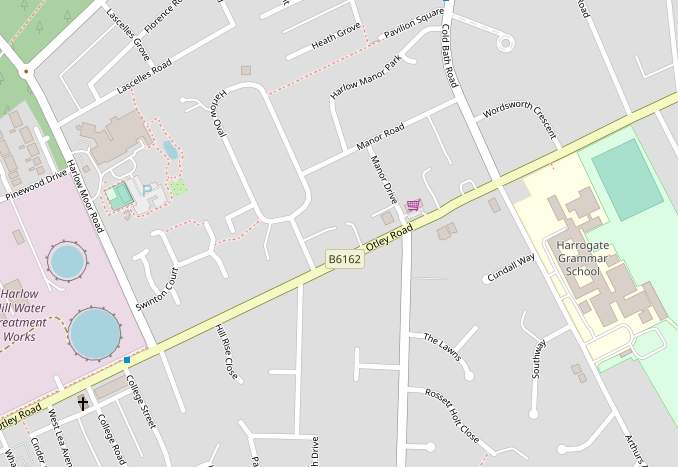
In fact, the contractors haven't quite finished Phase 1, and are coming back after Christmas; and in reality nothing has been done at the Arthurs Avenue junction.
I've had a look at what's been built. Here are 10 key points about the Otley Road Cycleway Phase 1.
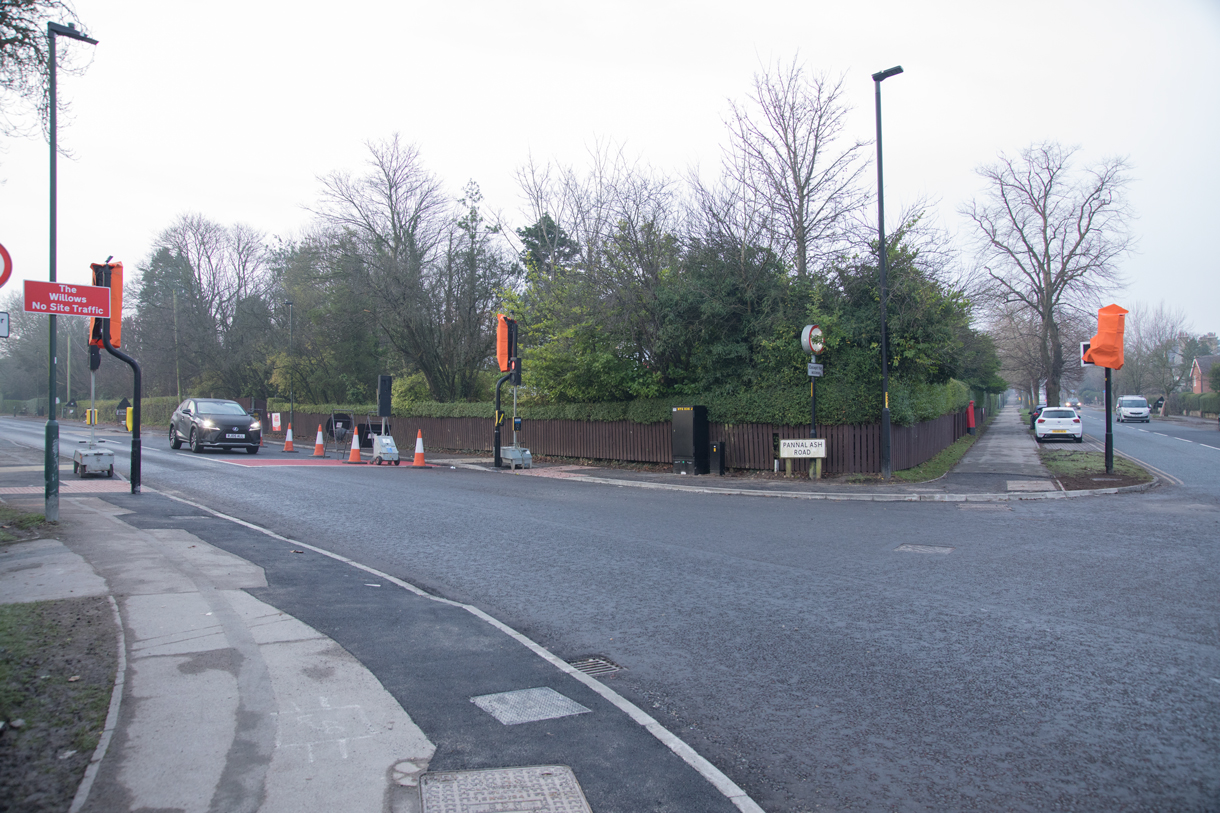
There are traffic-light controlled junctions at Arthurs Avenue, Pannal Ash Road, and Harlow Moor Road.
Instead of cycling straight across the junction, if you're using the cycleway you're asked to go a short distance up the side road, then wait with pedestrians at a Toucan. Most of the green time is for cars going straight on.
At Pannal Ash Road, when the lights do eventually change, you'll cross to a shared footway with a width of just 2m30 on the corner.
Cycle Infrastructure Design LTN 1/20 says that cycle routes should be direct, in distance and time.
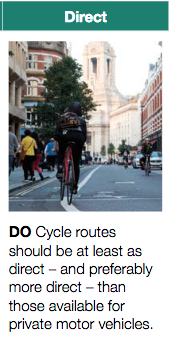
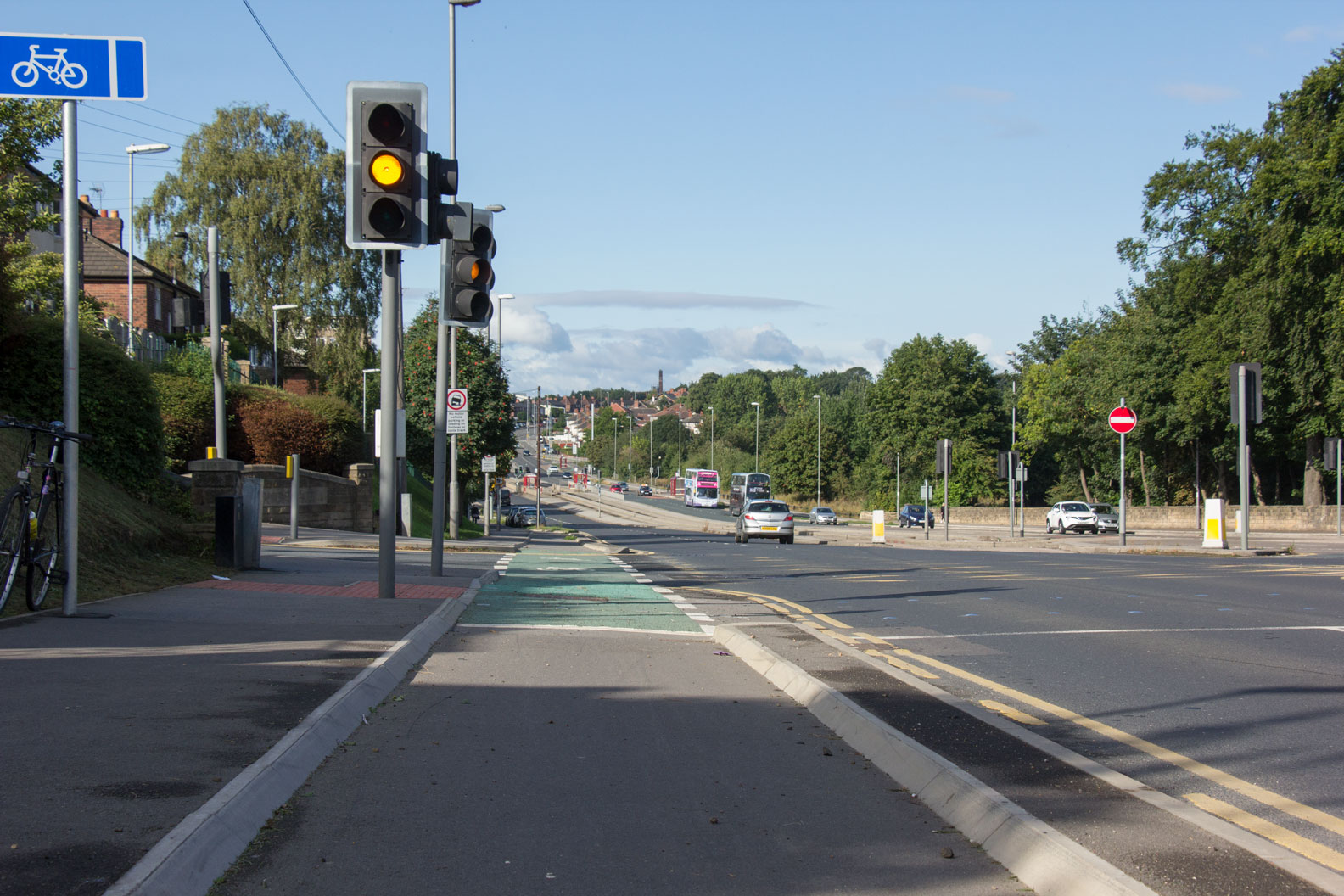
Instead of sending cyclists up side roads, the designers should create a kerb-protected cycle track next to the carriageway, with a painted cycle lane across the junction giving priority over left-turning traffic. Cyclists would get a green light at the same time as motor vehicles.
At Arthurs Avenue, the space could be found by taking the grass verge plus existing painted cycle lane. At Pannal Ash, it could replace the existing left-turn lane.
Here's an example of the design, on the Leeds Bradford Cycle Superhighway.
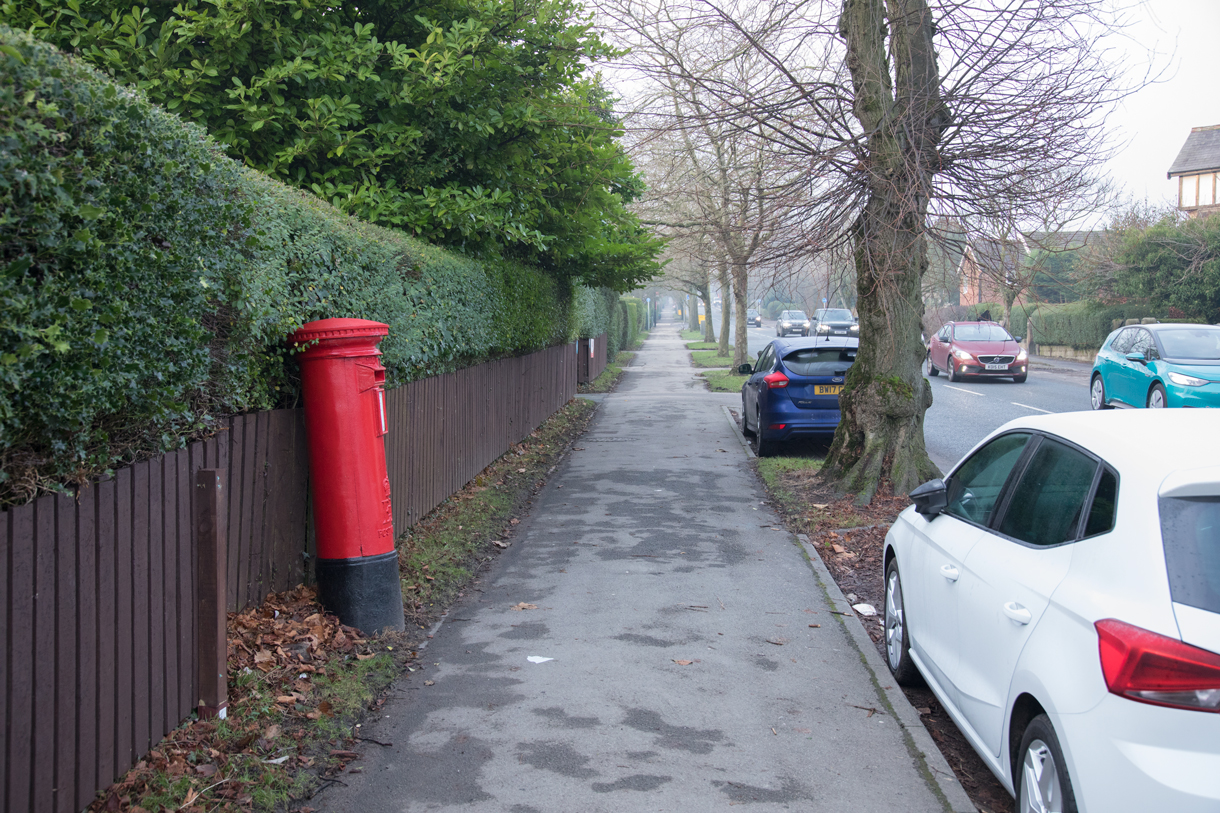
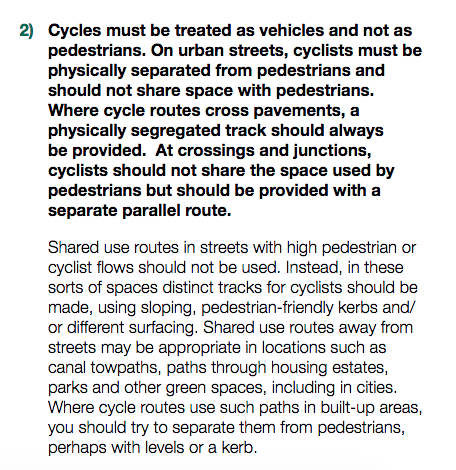
Shared use is not appropriate on urban streets. Cyclists must be physically separated from pedestrians and should not share space with them.
There are space constraints on the south side of Otley Road, and in some places there simply isn't enough space to divide up the footway. On the north side of Otley Road, mostly there is enough space for segregated routes, but it's still shared use, which is very unfortunate.
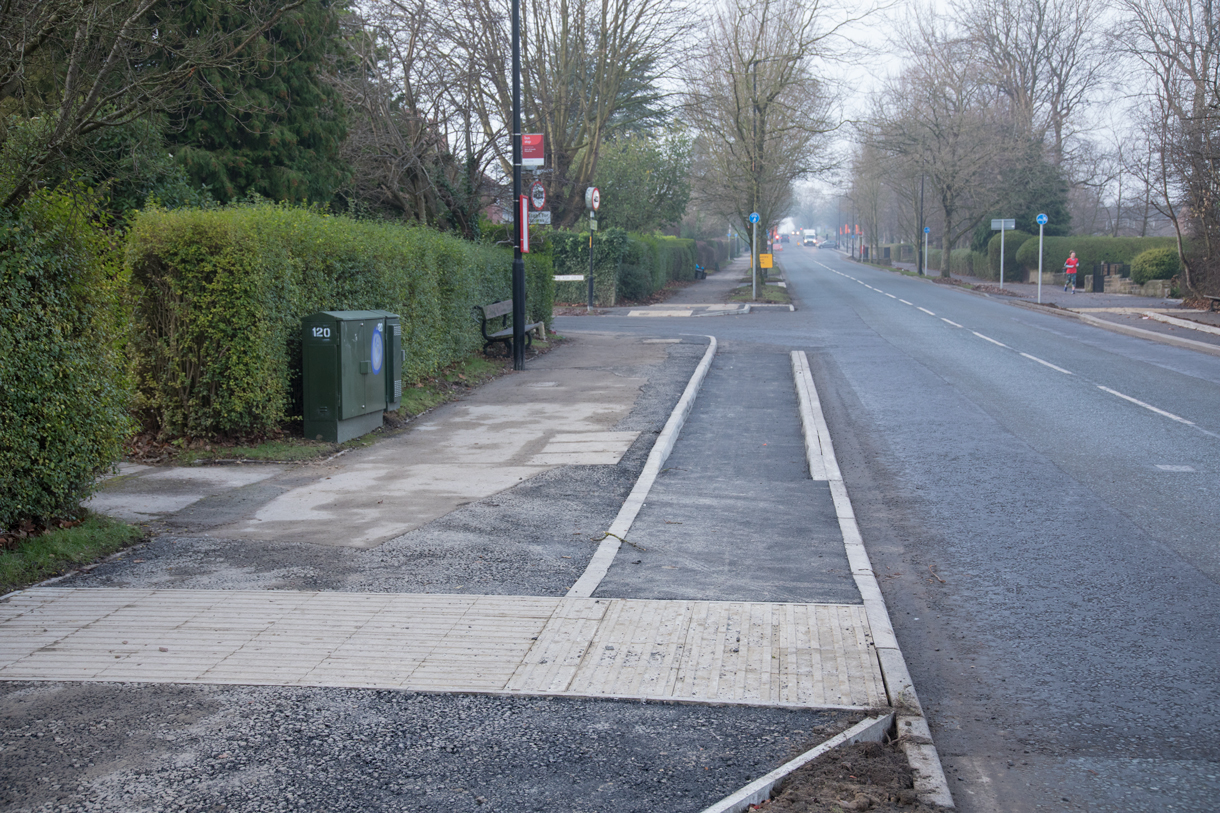
The cycleway has priority over minor side roads including Pannal Ash Drive and Hill Rise Close. This is the biggest improvement over previous North Yorkshire pavement cycling efforts.
Unfortunately the lines haven't been painted yet, meaning that the design isn't clear.
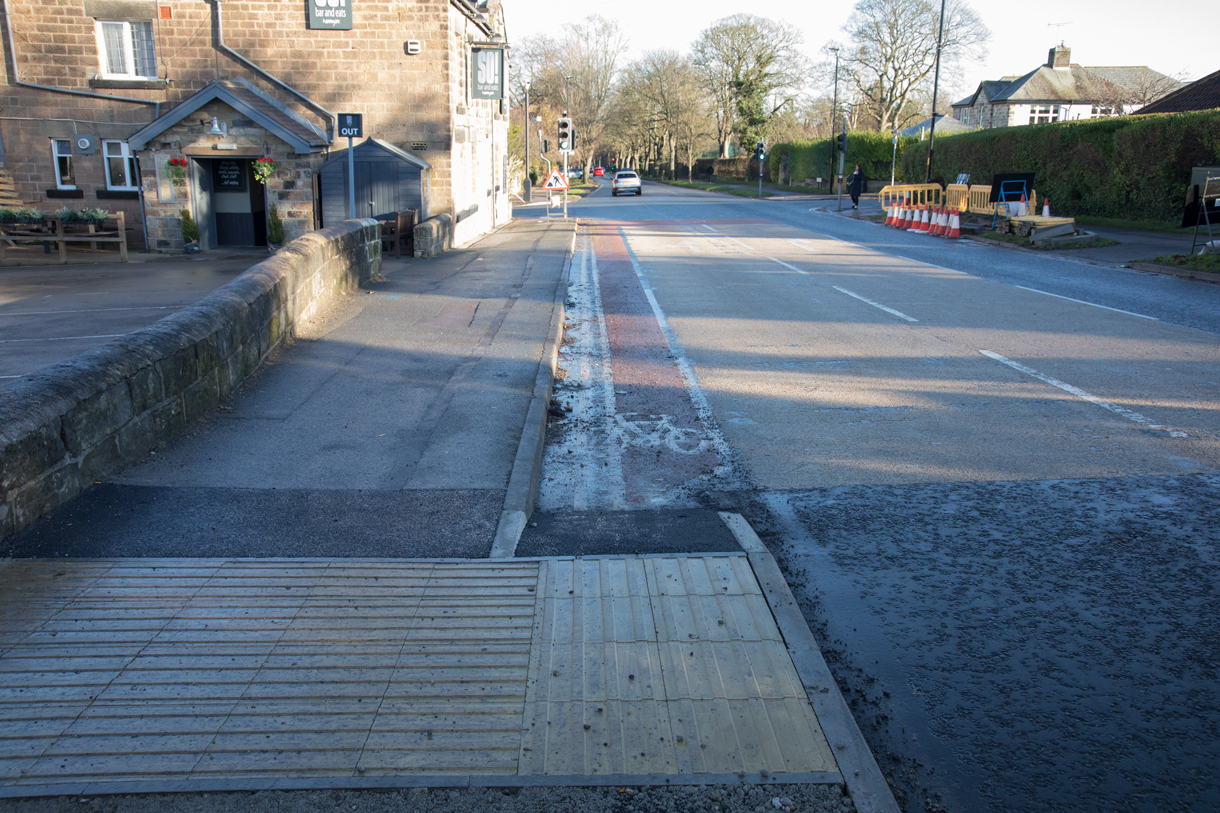
The sections of cycle track are all below the Absolute Minimum width of 1m50. The ramp down to the cycle lane approaching Cold Bath Road is just 93cm wide.
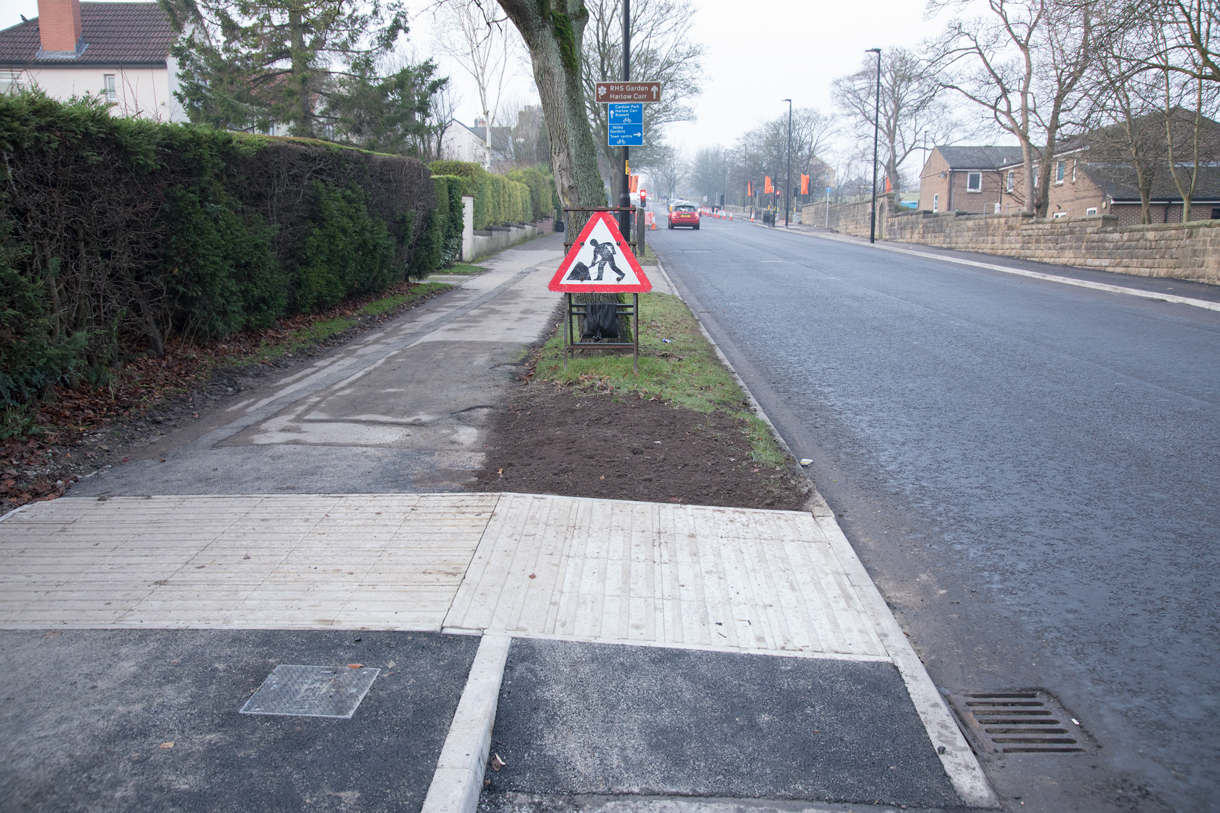
As I've already mentioned, the contractors didn't finish on schedule, and are coming back after Christmas. Most of the line painting hasn't been done yet.
There are other unfinished elements, such as the turn back onto the footway after Hill Rise Close, pictured above. Even when it is completed, the tactile paving there will be unhelpful, as it tries to make your wheels go straight on at the point where you need to turn.
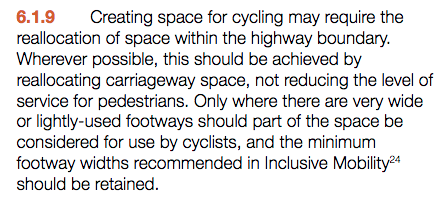
Cycle Infrastructure Design guidance instructs local authorities to create space for cycling by taking it from the carriageway.
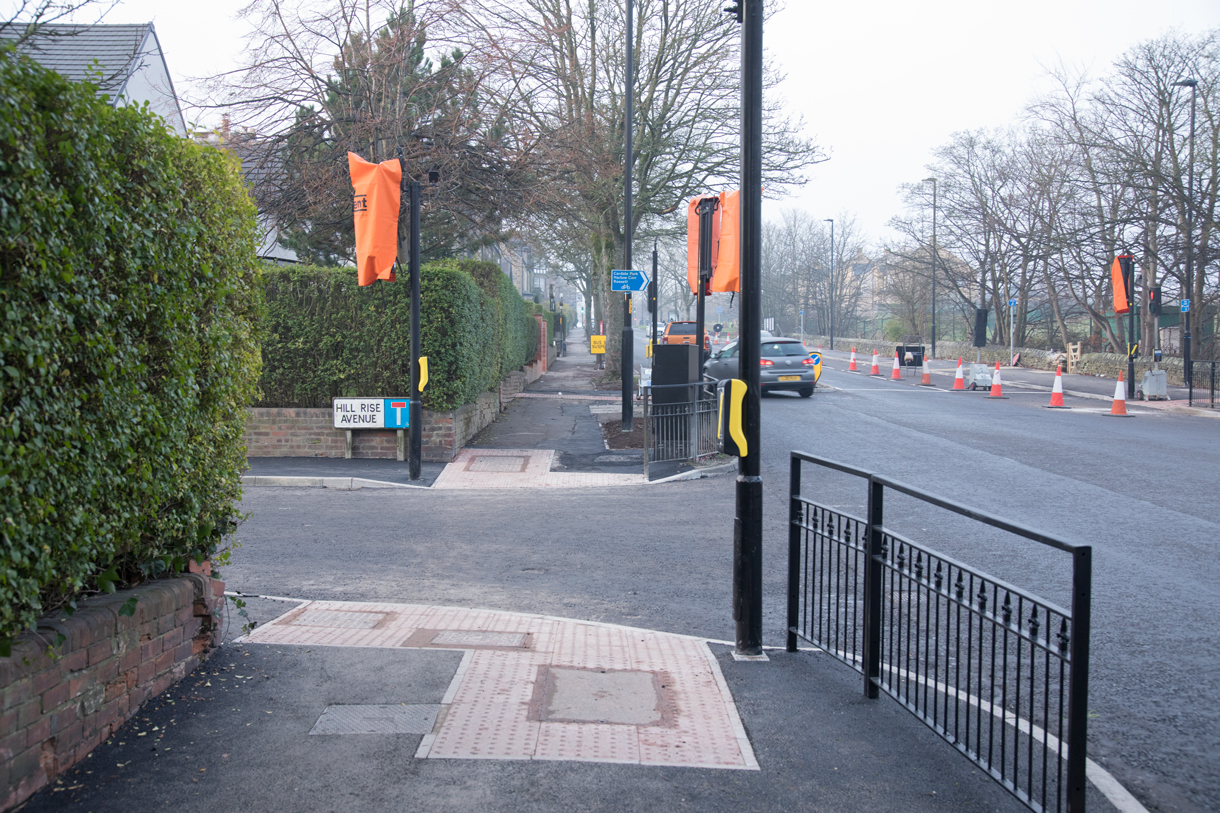
At the Otley Road junction with Hill Rise Avenue and Harlow Moor Road, North Yorkshire have removed grass verges and cut down trees in order to create extra traffic lanes. They have added at least 3m to the width of the road.
Meanwhile those on bikes and on foot are crammed into small amounts of space (lower than the minimum widths in the guidance) behind railings.
Local authorities are instructed to be Robin Hood, taking space from motor vehicles and giving it to active travel. At this junction, North Yorkshire is acting as the Sheriff of Nottingham, taking from the space-poor and giving to the rich.
The junction design is entirely focused on motor vehicles. Inadequate space and priority are left for everyone else.
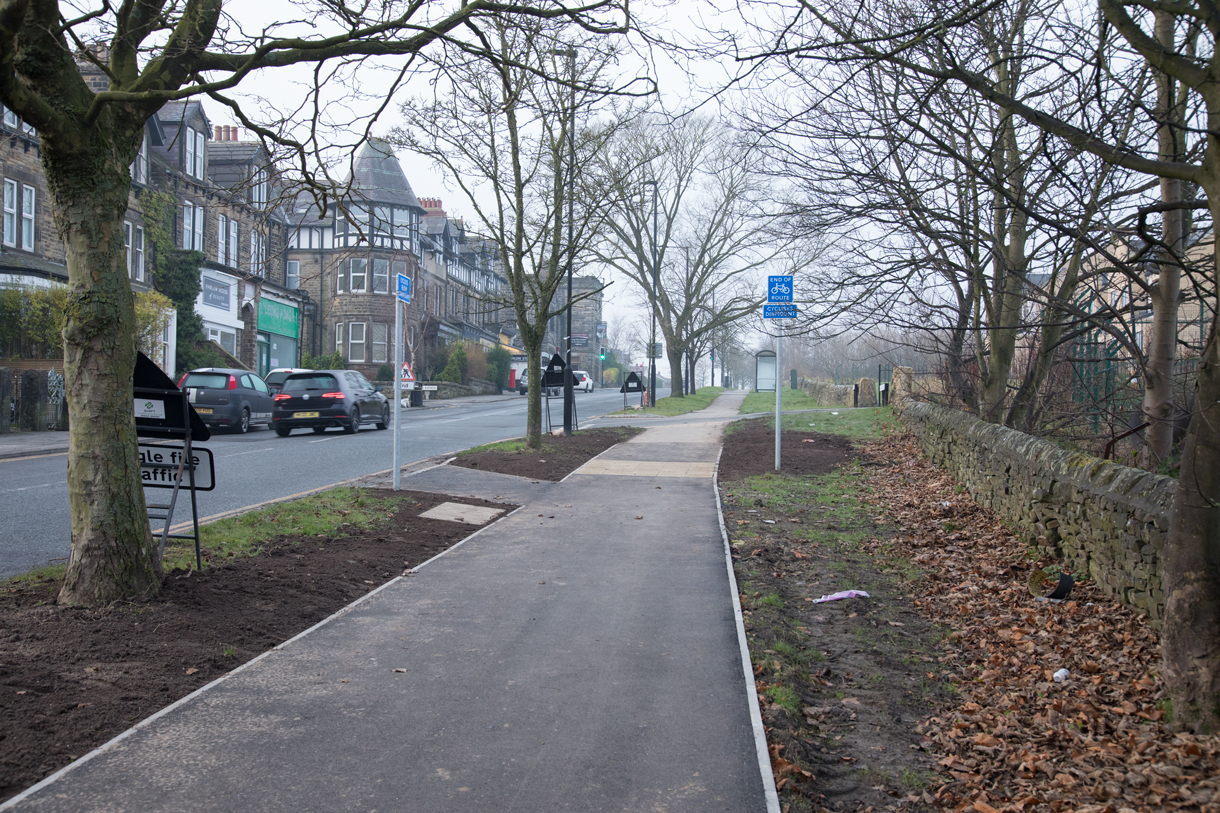
Guidance tells local authorities that they should no longer use CYCLISTS DISMOUNT or END OF ROUTE signs, but North Yorkshire is still using them.
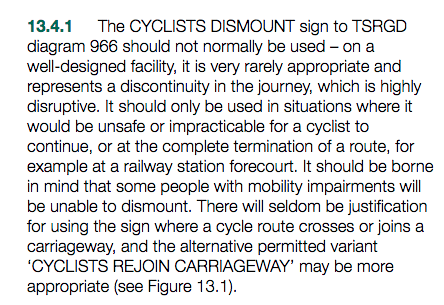
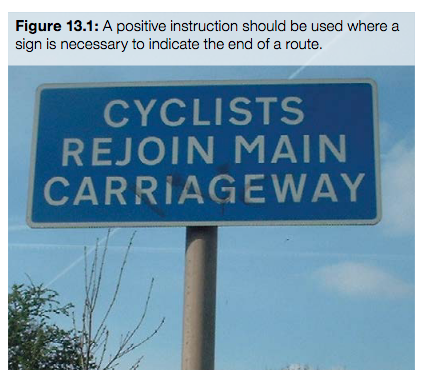
All that's needed is a CYCYLISTS REJOIN MAIN CARRIAGEWAY sign.

To stop runaway global heating, it is accepted that we need to reduce private car use. Council leader Carl Les signed a Statement of Support for the Yorkshire & Humber Climate Action Plan, which proposes just that.
Unfortunately, the actions in North Yorkshire haven't consistently caught up with the words*. One of the main considerations in building this cycleway has been that it must never reduce space for or slow down drivers.
(*Credit where it is due - the Harrogate Station Gateway project is an example of North Yorkshire prioritising sustainable transport, and pleasant places over speed of transit through them).
It is well-known and widely accepted that there isn't a fixed volume of traffic, rather it expands to (over-) fill the space allocated to it. Therefore, expanding capacity at a junction like Harlow Moor Road is likely to result in extra, induced traffic.
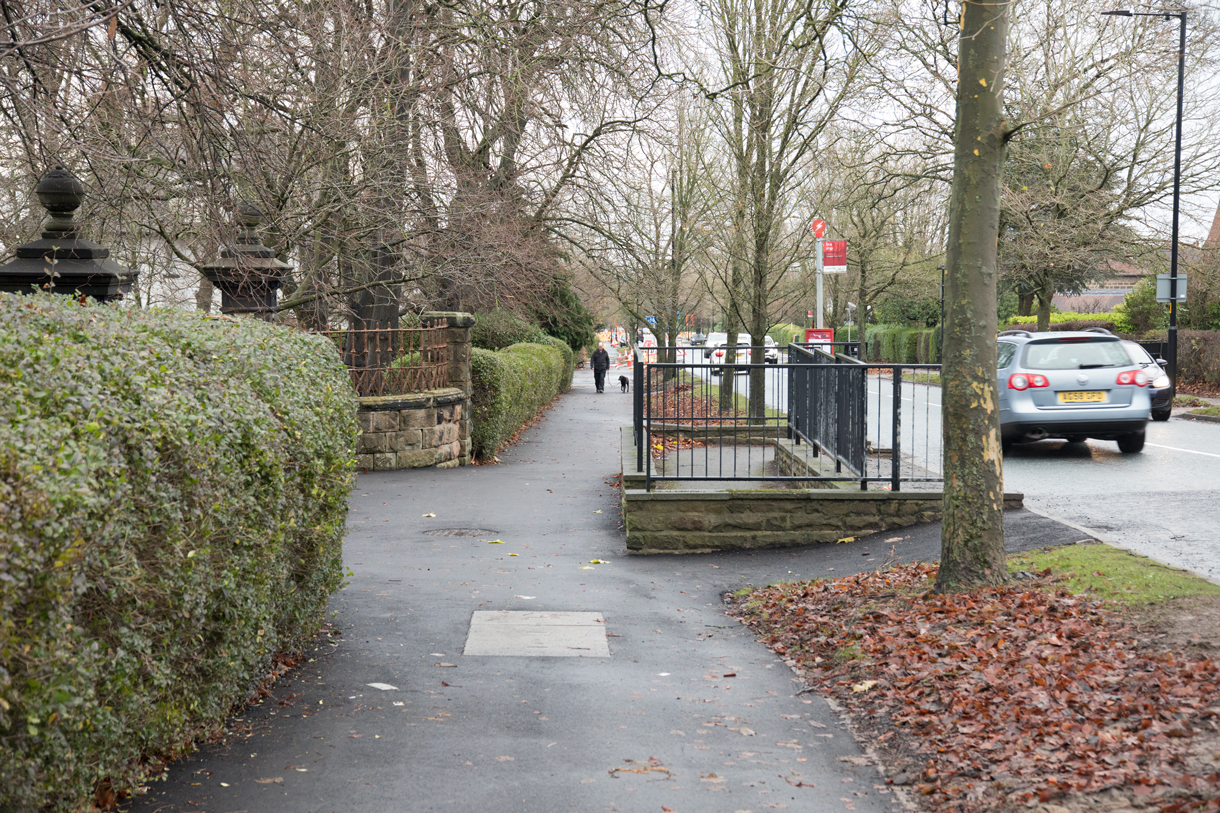
There are a few instances where it would have been better to do more work. The large bus stop pictured above creates a pinch point. It could have been replaced with a different, smaller design - but hasn't been, I guess to save money.
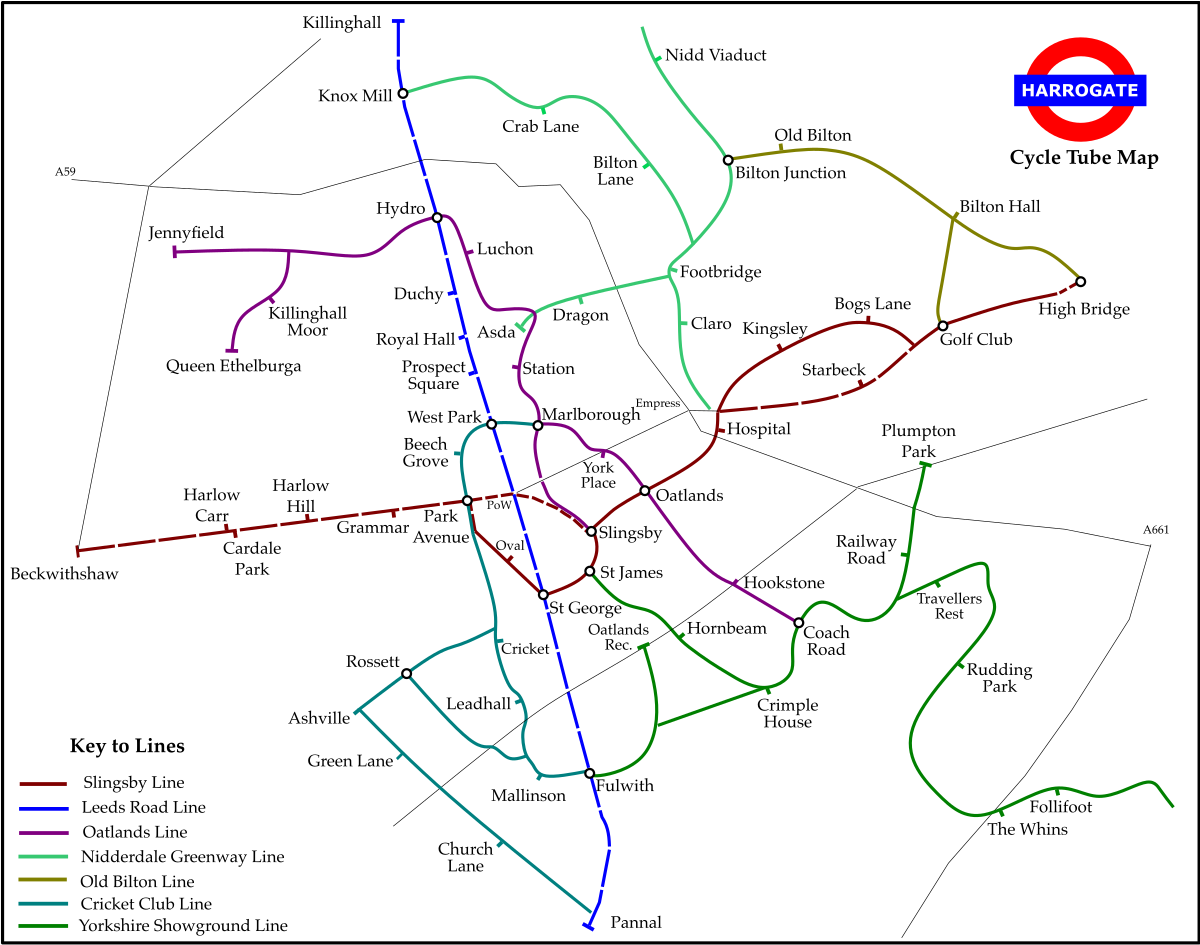
To be useful, cycle routes have to be complete and connected to a network. Otley Road Cycleway Phase 1 is neither a complete route nor connected to a network.
Let's hope North Yorkshire presses on with the other phases of the cycleway as soon as possible, learning any lessons from Phase 1 and making the design as good as it can be within the space available.
North Yorkshire should also deliver new parts of the network, notably Victoria Avenue and Station Parade.

2022 Yorkshire Wildlife Calendar now available in the Hedgehog Cycling shop.

Sealskinz cycling gloves with special deals available on Amazon as at 22nd November 2021.
Bike Rides in Harrogate and Nidderdale is a book of family, mountain and road bike rides.
"This guide is a wonderful companion whether you ride alone, with family or friends. Don't set out without it."
Read more about Bike Rides in Harrogate and Nidderdale .